

The National Road Safety Committee (NRSC) is issuing a final reminder to the public that enforcement of existing laws governing e-bikes, scooters and similar personal transport devices will begin on 16 January 2026, following an extended period of public notification and education.
The public was first formally notified of these requirements in July 2025, with a further four-week national education campaign running from 19 December 2025 to 15 January 2026. Riders and owners have therefore had ample time to understand the law and to bring their devices into compliance before enforcement begins.
These requirements are not new. They arise under the Traffic Act (2023 Revision) and related regulations, which govern the use of mechanically propelled vehicles on Cayman’s roads. Relevant provisions include the age requirement in Regulation 6(1) of the Traffic Regulations (2021 Revision), and the licensing framework in Schedule 2 of the Traffic (Categorization and Grouping) Regulations, 2012, which set out the Group 0 and Group 2 license categories. Together with sections 6, 16, 67 and 68 of the Traffic Act, they confirm that these devices are treated as motor vehicles and must meet the same basic legal standards as any other vehicle on the road.
For the purposes of enforcement, micro-mobility devices covered by these requirements include, but are not limited to:
• Electric e-bikes (throttle-controlled)
• Pedal-assisted e-bikes
• Electric scooters and seated e-scooters
• Motor scooters
• Mopeds
• Motorized bicycles
• Segway’s and similar self-balancing devices
• Motorized wave boards and similar personal transport devices
Where these devices are mechanically propelled by an electric or combustion engine and used on public roads, they fall within the scope of the Traffic Act and Traffic Regulations.
Under existing law, anyone riding an e-bike, scooter or similar personal transport device on public roads is required to:
• Be at least 17 years of age
• Hold a valid Category 0 or Category 2 driver’s license
• Ensure the device is inspected, registered, licensed and insured
• Follow the Rules of the Road, including all traffic signals, signs and road markings
• Ride only where it is legal to do so, and not on sidewalks or against the flow of traffic
Any e-bike or scooter that does not meet the Department of Vehicle and Drivers’ Licensing (DVDL) roadworthiness requirements must not be operated on public roads.
Parents and guardians are strongly reminded that children under 17 are not legally permitted to operate these devices on public roads or sidewalks, regardless of whether the device was purchased privately or given as a gift. Allowing under-age use in public places puts the child and others at serious risk and may result in enforcement action.
Micro-mobility devices have already been involved in fatal and serious injury collisions, including incidents involving pedestrians and other vehicles. Unsafe behavior such as riding on sidewalks, travelling against traffic, ignoring traffic signals and riding without proper control has become a serious road safety concern.
At the same time, many responsible owners have already taken steps to comply with the law, including obtaining a Certificate of Roadworthiness, registering their devices and securing insurance. DVDL has seen a steady number of owners presenting their devices for inspection, registration and licensing, and producing valid proof of insurance.
Recent commentary on social media and in other outlets has suggested that these devices cannot be insured. That is incorrect. Where a device meets the relevant inspection, roadworthiness and registration requirements set by DVDL, it may be insured as a motor vehicle, subject to the criteria and underwriting decisions of the insurer.
Inspections for e-bikes, scooters and similar personal transport devices will be carried out only at DVDL’s Crewe Road and Breakers locations, using the same safety-based inspection standards that apply to other vehicles.
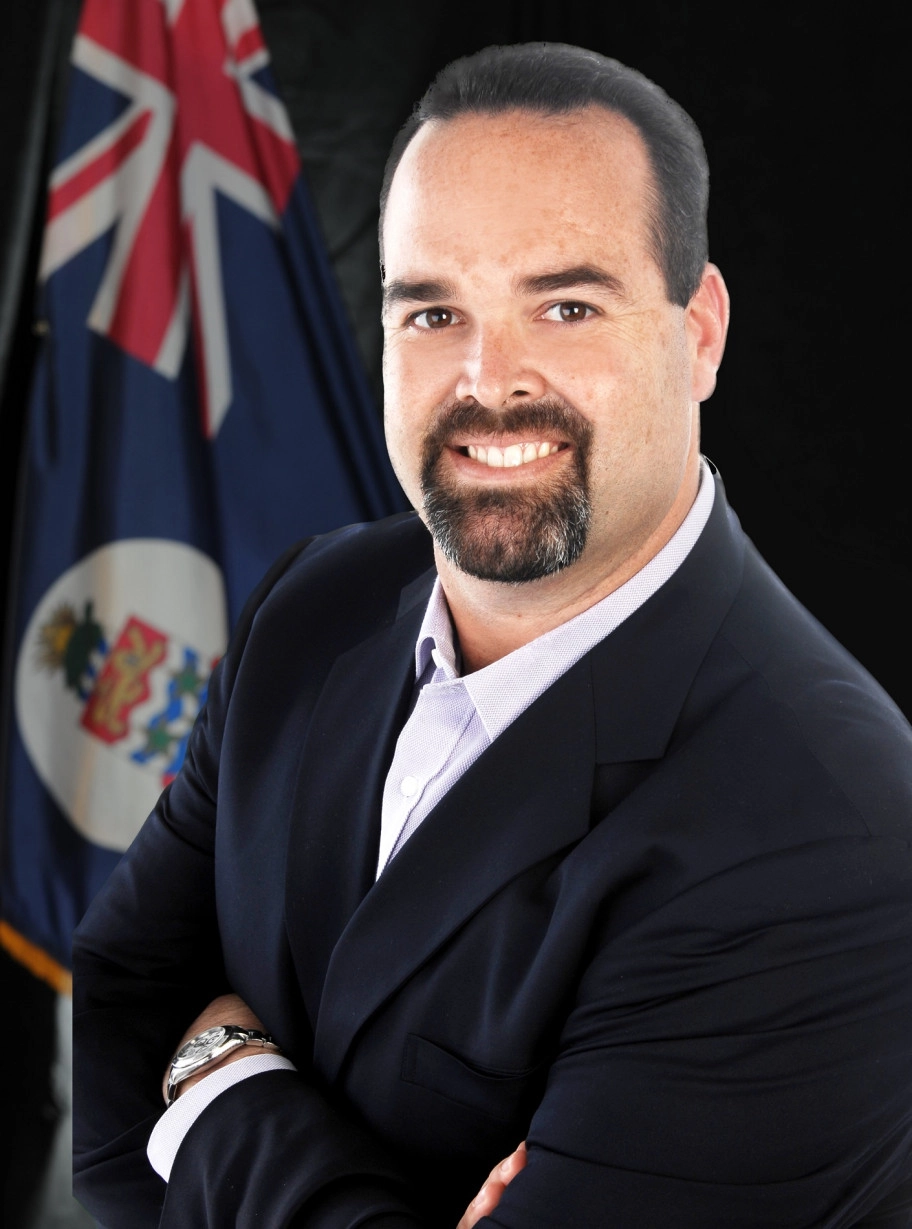
Eric Bush, Chief Officer for the Ministry of Planning, Lands, Agriculture, Housing & Infrastructure and Chair of the National Road Safety Committee, said the education period was deliberately structured to give riders and owners clear notice and time to act.
“The public was first formally notified in July 2025 and again through this recent four-week campaign,” said Mr. Bush. “Riders and owners have had ample opportunity to familiarize themselves with the law and to act. From 16 January, the focus shifts from education to enforcement of the existing legal requirements.”
Commissioner of Police Kurt Walton emphasized that the objective of enforcement is to improve safety for all road users.
“We have seen these devices involved in fatal and serious collisions, including incidents involving pedestrians,” said Commissioner Walton. “From 16 January, officers will be enforcing the law. Riders must ensure they are licensed, that their devices are inspected, registered and insured, and that they follow the Rules of the Road. This is about protecting riders, pedestrians and every other road user.”
Owners who have not yet completed inspection, registration, licensing and insurance are strongly urged to do so no later than 15 January 2026. From 16 January 2026, the Royal Cayman Islands Police Service (RCIPS) will commence enforcement of the existing law. Penalties may include fines, prosecution and disqualification from driving.
Further information on licensing, registration and compliance requirements is available from DVDL at:
https://www.dvdl.gov.ky/licencing/e-bikes-scooters-and-similar-personal-transport-devices-2
About the National Road Safety Strategy and NRSC
The National Road Safety Strategy is the Cayman Islands Government’s long-term plan to improve road safety and eliminate traffic-related fatalities and injuries. Spanning 2023 to 2038, it focuses on the “Four Es” of road safety: Engineering, Education, Emergency Services and Enforcement. Its goals include reducing road fatalities by 30% by 2028 and achieving zero fatalities by 2038.
The National Road Safety Committee (NRSC) oversees the implementation of the Strategy and is chaired by the Chief Officer for the Ministry of Planning, Lands, Agriculture, Housing & Infrastructure (MPLAHI). The Committee collaborates with multiple agencies, including the National Roads Authority (NRA), the Royal Cayman Islands Police Service (RCIPS), and the Department of Vehicle and Drivers’ Licensing (DVDL), to address road safety challenges through data-driven approaches and community engagement.