


Nearly six in ten companies listed on the Hong Kong Stock Exchange are incorporated in the Cayman Islands, highlighting the jurisdiction's role in helping Asian businesses access international capital markets.
The analysis of figures from Hong Kong Exchanges shows that 1,564 listed companies were incorporated in Cayman as of February 2026, accounting for 58% of the exchange's 2,700 listed issuers.
The number has increased by almost 80% since 2015 due to the growing use of Cayman corporate structures by businesses raising capital in Hong Kong. Cayman is now the most common place of incorporation for companies listed in Hong Kong.
Cayman's significance extends beyond the number of listings. As of 31 July 2024, Cayman-incorporated companies listed on the Hong Kong Stock Exchange had a combined market capitalisation of HK$14.72 trillion (approximately US$1.89 trillion). They include many of the largest companies on the exchange, among them several of mainland China’s leading technology groups.
| Cayman-incorporated companies on HKEX | 2015 | 2026 | Change |
| Number of listed companies | 875 | 1,564 | +78.7% |
| Share of all listed issuers | 47% | c.58% | +11pts |
Source: HKEX
Companies listing in Hong Kong use Cayman exempted companies for several reasons. Cayman company law is flexible and based on English common law, with final appeal to the Judicial Committee of the Privy Council in London. Cayman has long been accepted by HKEX as a place of incorporation for listed issuers. The structure is familiar to investors, sponsors and legal advisers in Asia, Europe and North America, which allows a company to list in Hong Kong while drawing capital from investors worldwide.
Tax neutrality means a Cayman holding company does not add a further layer of tax between an operating business and its shareholders. Shareholders remain liable for tax in their home jurisdictions. Listed Cayman companies remain subject to the HKEX Listing Rules and to oversight by Hong Kong’s Securities and Futures Commission.
The relationship also extends to investment funds. Data from the Cayman Islands Monetary Authority (CIMA) shows that Cayman funds held US$38bn in Hong Kong portfolio assets in 2024, up from US$37.6bn the previous year. Hong Kong-based investment managers also make extensive use of Cayman funds to pool international capital and invest across global markets.
| Cayman funds and Hong Kong (CIMA) | 2023 | 2024 | Change |
| Portfolio assets held in Hong Kong | US$37.6bn | US$38bn | +1.1% |
Source: CIMA Investments Statistical Digest
Cayman is the world’s largest tax-neutral fund domicile. It is home to more than 31,000 institutional investment funds, such as hedge funds, private equity funds and venture capital funds. Cayman funds managed US$16 trillion in total assets at the end of 2024, with a net asset value of US$9.2 trillion.
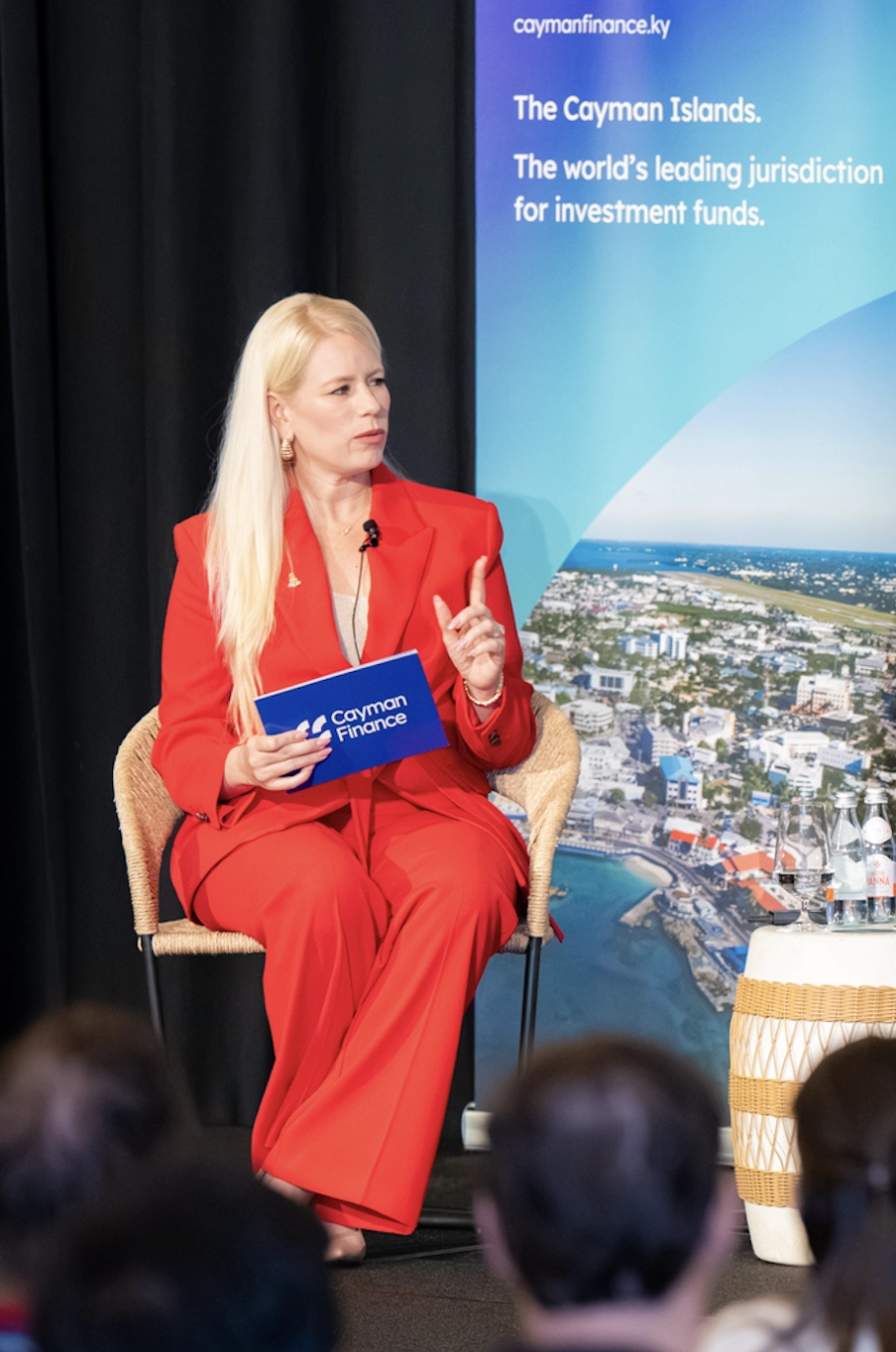
Samantha Widmer, Director and Head of Funds & Capital Markets at Cayman Finance, said: "Cayman has been an important part of Hong Kong's capital markets for decades. The fact that nearly 60% of listed companies are incorporated in Cayman shows just how established that relationship has become.
"Businesses seeking to raise capital internationally want a corporate structure that investors, banks and advisers know and trust. Cayman's legal framework, regulatory credibility and depth of professional expertise have made it a natural choice for companies accessing Hong Kong's markets. It is a complementary relationship that has worked exceptionally well for both jurisdictions.
"The growth in Cayman listings over the past decade also shows that this relationship continues to develop. As Asian businesses expand internationally and investors look for opportunities across borders, Cayman has an important role to play in supporting that activity and structural solutions that make doing business seamless across borders."
Samantha Widmer and Rayshawn Connor, Associate Director of Funds & Capital Markets at Cayman Finance, will visit Hong Kong and Singapore from 22 October to 5 November 2026. The visit forms part of Cayman Finance's ongoing engagement with Asian financial markets and will provide an opportunity to strengthen relationships with investment managers, capital markets participants and professional advisers, while discussing developments affecting Cayman's funds and corporate structures.